Cyberculture and digital divide are significant topics in the field of digital media and technology. Interestingly, with the rise of social media platforms and emerging technologies like artificial intelligence (AI), these subjects have become crucial for scholars in media and communication, technology experts, corporate institutions, and even enthusiasts in the media and technology field.
The point is that, as our society becomes increasingly reliant on digital technologies for communication, commerce, and information access, questions surrounding identity online and the manifestation of diversity have become important.
Scholars, research institutes and media firms have extensively explored these issues to understand the implications of these digital issues and the evolving nature of identity online.
Changing Nature of Identity Online
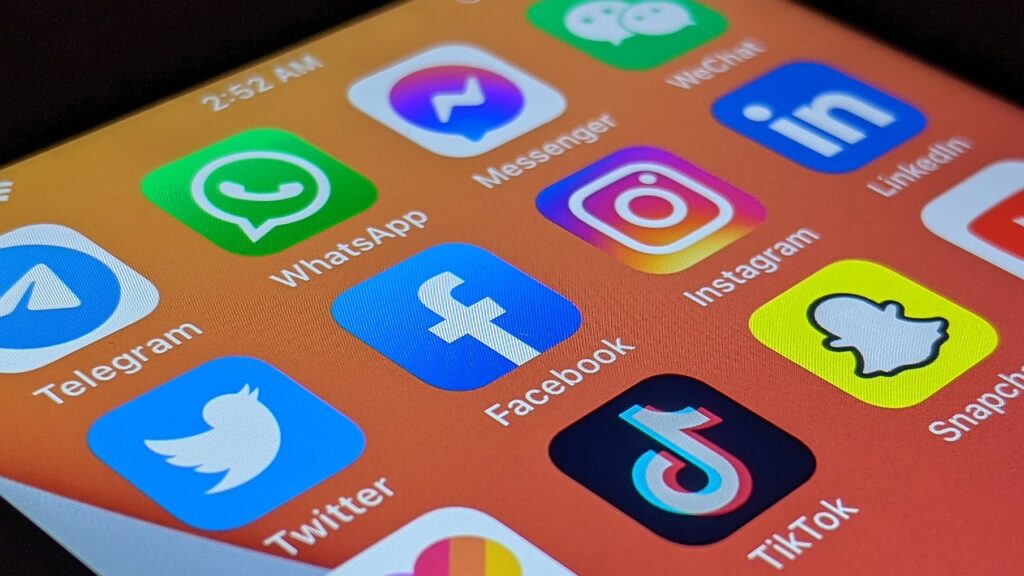
In today’s digital media environment, identity is no longer limited to just physical space or appearance. Social media and increasing virtual platforms have made identity online multifaceted. By creating profiles on platforms such as LinkedIn, Facebook, TikTok, Instagram, Twitter, and others, individuals curate information they wish to present about themselves to the world.

But what does this mean for diversity online, and how does it differ from our experiences in the physical world?
Manifestations of Diversity Online
Online platforms offer individuals a space to express diverse aspects of their identity that may not be the case with physical interactions. For instance, social media platforms have provided spaces for marginalized voices to be heard, as evidenced by social movements like #BlackLivesMatter, #MeToo.

As noted by (White, 2021), BLM protests, the MeToo movement and growing awareness around LGBTQ+ rights online have provided renewed focus on disparities in pay, opportunity and success that underrepresented groups face in the workplace.
White (2021) further noted that it’s now more important than ever for tech companies to prove their commitment to closing the gender and diversity gap in tech — and companies appear to be responding with more substantial policies than before.
Despite the potential for online diverse expression, representation remains a challenge. As noted by Royal (2019) in Gender & Pop Culture: A Text-Reader, usage patterns can differ based on the type of social networking site used, and gender disparities exist.
Women are more likely to use Pinterest, a social pinning site much like a virtual bulletin board (41% women vs. 18% men). Women are also more likely to use Instagram (39% vs. 30%), Snapchat (31% vs. 23%) and Facebook (74% vs. 62%), are equally likely to use LinkedIn (25% for both males and females) and close in their usage of Twitter (24% vs. 23%) (Pew Research Center: Social Media Fact Sheet, 2018).
These statistics show a preference for sites with a visual component that offer the ability to communicate and share about ones hobbies or interests (Royal 2019). Generally, a Pew Internet study found that women were more likely than men to use social networking sites.
Research further shows that diversity online can be manifested by different demographic groups including age, gender, and socio-economic factors. For example, according to a 2021 study by Pew Research Center, rural adults remain less likely than suburban adults to have home broadband and less likely than urban adults to own a smartphone, tablet computer or traditional computer.

According to the report, roughly seven-in-ten rural Americans (72%) say they have a broadband internet connection at home. The findings of the study reveal that rural communities continue to face barriers in accessing reliable broadband internet which shows the digital divide that exists between urban and rural areas.
Challenges the Digital World Faces in Becoming More Diverse
Despite progress towards diversity and inclusion, the digital world still faces several challenges in becoming more diverse. As Wilson Center’s Jerry Harr noted, the digital divide remains a significant barrier with millions of people lacking access to essential digital infrastructure.
Bridging this gap requires efforts from governments, businesses, and communities to ensure equitable access to technology and internet connectivity.
Also, addressing systemic bias and discrimination in digital platforms especially with the emergence of AI is essential for creating a truly inclusive online environment.
Whether it’s tackling algorithmic bias or implementing diversity training programs, stakeholders must work together to address the root causes of stereotypes, racial discrimination, and inequality in the digital space.
In summary, while the ever-growing nature of digital media and technology offers opportunities for diversity and inclusion, as evident in the impact of movements such as #BlackLivesMatter and #MeToo, there still exist inequalities and challenges. By addressing the digital divide through tackling systemic bias and creating inclusive digital spaces, we can create a more equitable and diverse online community for all.